

Nobody likes to be told that the tooth needs to be removed. But sometimes that’s the finest thing you can do for your face and your health.” If you’ve been dealing with tooth pain, swelling or a tooth that just doesn’t feel right, you might be deciding for oneself if it’s time to reach out to a dentist about tooth extraction Atlanta GA that you can trust.
The good news is, you don’t have to guess. Your body offers you warning signals when a dental implant is in trouble. In this piece we’ll go into these signs that tell you why extraction is sometimes required, and help you figure out what to anticipate if that is the route your dentist recommends.
Why Tooth Extraction Sometimes Becomes Necessary
Dentists always aim to save natural teeth first . That is why there are fillings and crowns and root canals. Yet sometimes a tooth becomes too broken, too swollen, or too tight to be saved. If it happens, the tooth has to be extracted out when doing any further damage to the rest of your mouth.
Some of the most common reasons for extraction include:
- Severe decay that has destroyed too much of the tooth structure
- Gum disease has advanced to dislodge the tooth from the bone
- Impacted wisdom teeth that are pushing on neighboring teeth
- Trauma or injury that has cracked or broken a tooth beyond repair
- Overcrowding, especially before orthodontic treatment
If any of this sounds familiar, it’s worth getting yourself checked sooner rather than later. And waiting frequently makes a situation worse and could result in more pain, higher costs, and more complicated therapy.
Signs You Might Need a Tooth Extraction
Here are the warning signs dentists look for, and the ones you should pay attention to at home.
1. Constant or Throbbing Tooth Pain
Occasional sensitivity is not unusual, but pain that is relentless or persistent is a clue that something else is wrong. This type of persistent, throbbing pain usually occurs by deep decay or infection near the nerve of the tooth.
2. A Loose Tooth
Adult teeth are not supposed to shift. If you find a tooth is loose or shifting, it may be an indication that the bone or gum tissue attached to the tooth has been damaged, usually due to gum disease or infection.

3. Swelling in the Gums or Jaw
Swelling around a tooth, especially if it is warm to the touch or you possess a bad taste in your mouth may mean you have an abscess. This is a disease that needs to be treated quickly and extraction is sometimes the safest approach to stop it from spreading.
4. Pain When Chewing or Biting Down
If chomping on one side of your mouth hurts, that tooth could have a fracture, serious decay, or an infection at the root. That kind of pain doesn’t simply disappear.
5. Visible Damage or a Cracked Tooth
A visibly cracked tooth that’s extensively chipped or broken listed below the gumline is generally too damaged to be restored with a filling or crown. If it’s bad enough, extraction is probably the best and most reliable method.
6. Overcrowding or Orthodontic Needs
Sometimes a tooth isn’t broken or infected, it just isn’t enough room within your mouth. That’s common before braces or orthodontic appliances, where a tooth might have to come out to make space for the remainder to align properly.
7. An Impacted Tooth
Impacted teeth (usually wisdom teeth) are teeth that don’t have enough room to come all the way through. If left untreated, impacted teeth can cause pain, infection and damage to adjacent teeth.
What to Do If You Notice These Signs
If any of these symptoms ring a bell, the next step is easy: get a qualified opinion. An X-ray and a close look at the tooth will tell you precisely what is going on in your dentist. For numerous reasons, one can save a tooth. For some, extraction is indeed the healthiest option.
That is where having a flexible dentist Atlanta GA clients can count on really makes a difference. Dental problems don’t wait for a good time, so collaborating with a practice with same-week appointments, evening or weekend availability and honest conversation about the options available takes a lot of the stress out of the process.
What Happens During a Dental Extraction
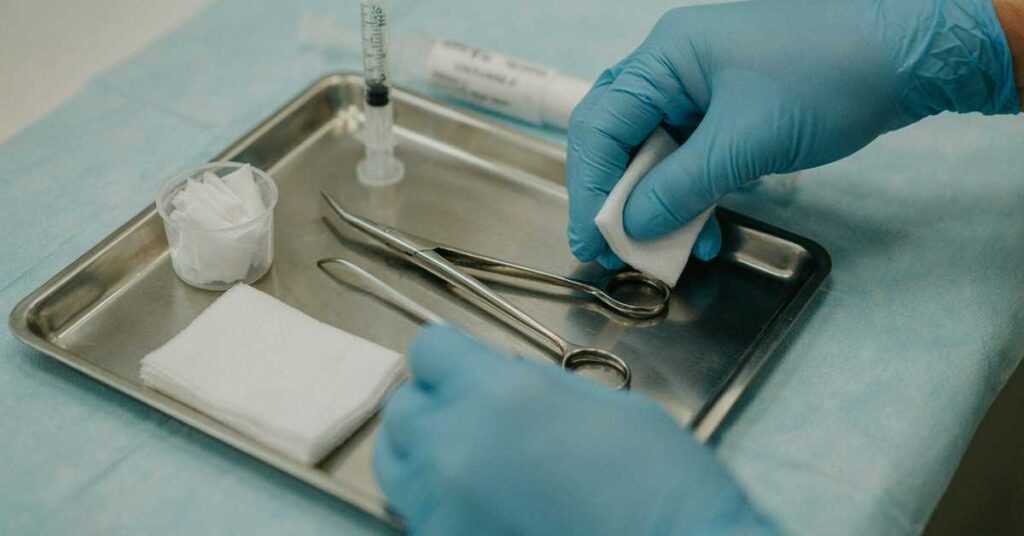
Understanding the process can ease a lot of anxiety. A typical dental extraction Atlanta patients go through looks like this:
- Your dentist numbs the area with local anesthetic (sedation options are often available for more anxious patients or more complex extractions).
- The tooth is gently loosened and removed using specialized instruments.
- If needed, the socket is cleaned and, in some cases, a small stitch is placed.
- You’re given clear aftercare instructions to protect the healing site.
Most simple extractions take less than 30 minutes, and recovery typically runs anywhere from a few days to about two weeks, depending on the tooth and your overall health.
Conclusion
Your body is asking for help with tooth pain and other warning symptoms. In the event you don’t pay close attention to them, things are rarely made better. You just put off a cure that could have been simpler and less unpleasant. “Don’t wait it out. If you have persistent discomfort, swelling, a missing tooth or a visible problem, have it checked out.” A visit to your dentist can inform you exactly in which position your stand, whether it means keeping the tooth or removing it securely. Either way, you’ll end up creating a clear plan and true relief.
Frequently Asked Questions
1. How do I know if my tooth pain is serious enough for an extraction?
If the pain stays the same or gets worse when you take a bite down, or if you have swelling or a foul taste in your mouth, then it’s time to see the dentist. Usually they are signs of illness or major injury and require immediate attention.
2. Is tooth extraction painful?
The procedure itself should not be difficult, as the area has been numbed beforehand. It is typical to feel a bit of soreness afterwards, but this usually goes away with over the counter medication for pain along with adequate aftercare.
3. Can a damaged tooth be saved instead of extracted?
Yes, often. Most of the time we can save the tooth with fillings, crowns or root canals. Extraction often is a last resort when the harm of infection is too far gone for these methods to function.
4. How long does it take to heal after a tooth extraction?
They usually start to feel a lot better in just a few days and the gum tissue itself will completely mend in one to two weeks. Following your dentist’s aftercare guidelines will help you recover quicker.
5. What happens if I ignore the signs and don’t get the tooth checked?
Dental problems can get worse if left untreated. Infections can spread and harm the teeth around it and what could have been a simple treatment can turn into a more complicated and uncomfortable surgery.
Author Bio
Dr. Amit Morar grew up in Marietta and studied Biology at the University of Georgia before completing dental training at Touro College of Dental Medicine, NY. A member of the American Dental Association, he stays current on the latest techniques. Outside the office, he enjoys sports, travel, and Atlanta’s food scene. He practices at Riverwood Dental.
3350 Riverwood Pkwy #2120
Atlanta, GA 30339
Phone: 770-955-2505
Email: staff@riverwooddental.com


