

yes, but not right away. Any existing gum disease should be addressed first. If you are looking into dental bridges in Atlanta and your gums bleed, feel sore, or look swollen, this is the order of steps that gives you a bridge that lasts.
Why gum disease matters for a bridge
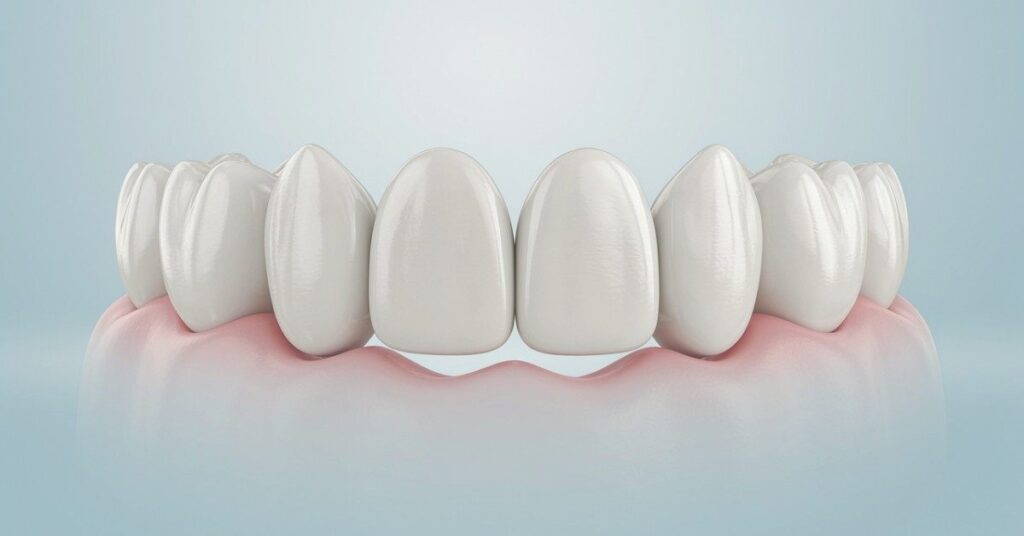
The missing tooth is replaced with a dental bridge.It cannot stand alone. It is supported by the natural teeth on either side of the gap, known as abutment teeth. These teeth have tops so that in the middle they might have fake tooth.
That means the whole bridge depends on the health of those neighboring teeth and the gums and bone around them. Gum disease attacks exactly that support. As it advances, the bone that holds your teeth in place breaks down, and teeth can become loose. If a bridge is anchored to teeth with weak support, it can loosen, fail, or even cost you more teeth.
How to Identify the Early Signs of Gum Disease
Gum disease often develops quietly. Watch for these signs:
- Gums that bleed when you brush or floss
- Red, puffy, or tender gums
- Bad breath that does not go away
- Gums that pull back from your teeth
- Teeth that feel loose or shifted
If you notice any of these, book an exam before you plan any bridge work.
The step-by-step path to a bridge
- Exam and X-rays. Your dentist checks your gums, measures the pockets around each tooth, and looks at bone levels.
- Gum treatment. Depending on how far the disease has gone, this may be a deep cleaning (scaling and root planing) or more advanced periodontal care.
- Healing and re-check. Your gums need some time to heal and settle down. Your dentist confirms the infection is under control and the teeth are stable.
- Bridge planning. Once your gums are healthy, your dentist can plan the bridge and confirm the abutment teeth are strong enough.
Rushing to step 4 is the most common mistake. Skipping the first three is how a good bridge ends up failing.
Dental bridges in Atlanta, GA: what to expect
If you are exploring dental bridges Atlanta GA patients trust, ask whether the dentist checks your gum health first.A good treatment plan should begin with addressing the underlying issue. Once your gums are stable, the bridge itself usually takes two visits. At the first, the abutment teeth are shaped and a temporary bridge is placed. Second, your custom bridge is fitted and adjusted for a comfortable bite.
Many patients find that this kind of planning is part of everyday general dentistry services. Gum care, cleanings, and restorative work are often handled under one roof, so your plan stays connected from start to finish.
Understanding crown and bridge teeth work
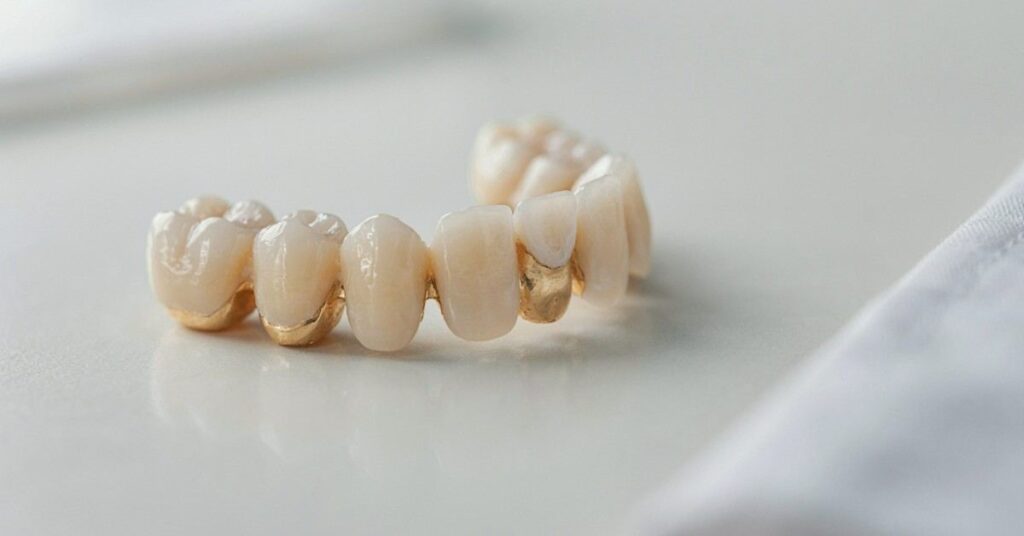
Crown and bridge treatment follows a similar approach. Crowns cover the supporting teeth, while a bridge connects these anchor teeth to the replacement tooth. Because crowns go over organic teeth, those teeth have to be free of decay and disease. First, any disease in the gum area must be cleaned up, or the crowns will be on an insecure base.
What if your gum disease is advanced?
Sometimes, the teeth surrounding the gap may not be strong enough to support a dental bridge. In that situation, your dentist may advise a further choice. A dental implant will substitute the missing tooth without relying on the neighboring teeth.
If you are considering dental implants in Atlanta GA, remember that implants also need healthy gums and adequate bone. Untreated gum disease can impact implants too, so therapy comes first whichever way. The upside is that an implant does not press extra load on the teeth next to it. Your dentist can compare both options based on your X-rays.
How to keep your bridge lasting
- Brush your teeth twice a day and clean underneath the bridge daily to keep your mouth healthy.Floss threaders or water flossers help.
- Keep up with regular cleanings, and ask for gum checks.
- Quit smoking to help lower your risk of gum disease and protect your oral health.
- Avoid chewing ice or hard foods that may put unnecessary pressure on your teeth or dental bridge.
With good care, a bridge can serve you for many years.
Conclusion
Gum disease doesn’t mean you can never have a bridge. It means the sequence matters. Treat the gums first, let them heal, as well as then build the bridge on a firm foundation. If you are missing a tooth and worry about your gums, an oral exam is the best first move toward dental bridges within Atlanta that hold up over time. The Riverwood Dental team is happy to look at your gums and walk you through your options.
FAQs
1. Can I get a dental bridge with gum disease?
Not until the gum disease has been treated and is under control. Your gums need to be treated and stable before a bridge is placed.
2. How long do I have to wait after gum treatment?
The timeline depends on how well you heal and how advanced the condition was. Your dentist will re-check your gums and tell you when it is safe to move ahead.
3. Can gum disease damage an existing bridge?
Yes. If gum disease spreads around the anchor teeth, they can loosen, and the bridge may fail. Regular check-ups help catch this early.
4. Is a dental implant or bridge a better option if I have gum disease?
Neither is right for everyone. Both need healthy gums. An implant does not depend on nearby teeth, but it needs enough bone. Your dentist can advise you after an exam.
5. What is the best way to clean underneath a dental bridge?
Use a floss threader, inter dental brush, or water flossier once a day to clean beneath the false tooth, along with normal brushing.
About the Author
Dr. Zainab Baqri earned her Bachelor of Science in Biomedical Sciences from the University of Central Florida and her Doctorate of Dental Medicine (DMD) from Midwestern University in Illinois. At Riverwood Dental, she provides compassionate care with a strong focus on patient education, so people understand the “why” behind their oral health. Outside the clinic, she enjoys photography, travel, and time with her family.
3350 Riverwood Pkwy #2120
Atlanta, GA 30339
Phone: 770-955-2505
Email: staff@riverwooddental.com


